
Two Powerful Masks, One Big Question
Walk into any skincare store and you’ll likely see two products dominating the shelves: charcoal masks and Dead Sea mud masks. Both promise deep cleansing, clearer pores, and smoother skin. But if you’ve ever tried to choose between them, you’ve probably wondered, which one actually works better for your skin?
The truth is, while both are known for their detoxifying effects, they work in very different ways. Understanding that difference can completely change your skincare routine and your results.
Both masks are popular in modern skincare, especially alongside treatments using Dead Sea minerals known for their natural skin benefits.
What Makes a Mask “Detoxifying”?
Before comparing the two, it’s important to understand what “detox” really means in skincare.
Your skin doesn’t detox in the same way your liver does. Instead, masks help by:
- Removing excess oil
- Lifting dirt and pollution from pores
- Supporting natural skin renewal
Both charcoal and Dead Sea mud do this but through different mechanisms.
What Is a Charcoal Mask?
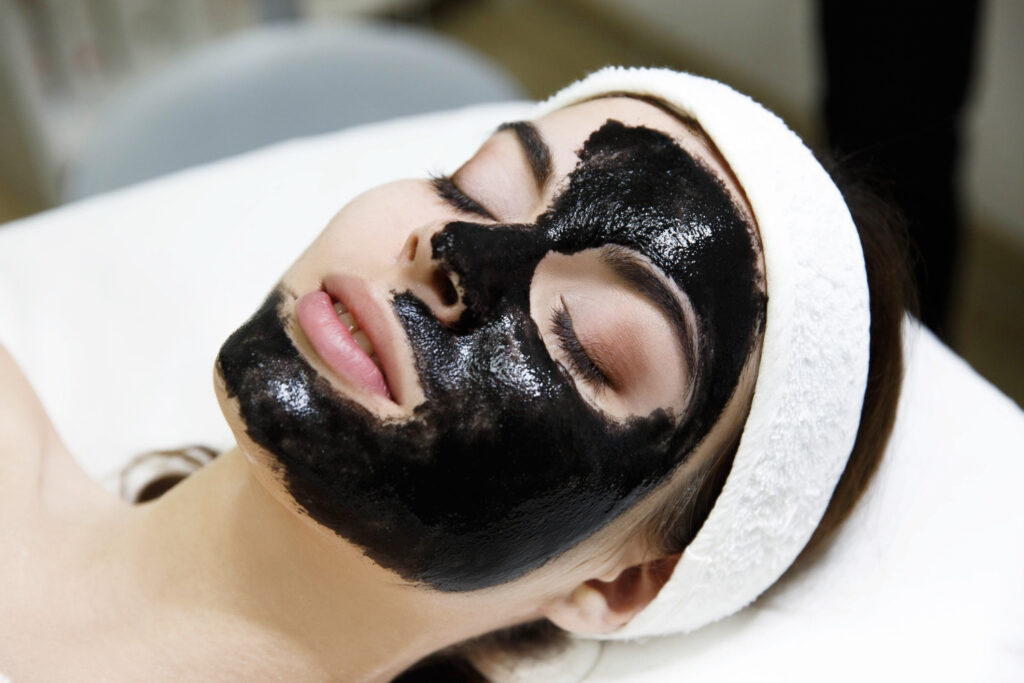
Charcoal masks typically use activated charcoal, a form of carbon processed to create tiny pores that attract and bind impurities.
How It Works
Charcoal acts like a magnet:
- Draws out dirt and oil
- Absorbs toxins from the skin surface
- Leaves a matte, clean finish
Best For
- Oily skin
- Acne prone skin
- Enlarged pores
Limitations
While charcoal is excellent at absorbing oil, it can sometimes be:
- Too drying
- Stripping for sensitive skin
- Focused only on surface level cleansing
What Is a Dead Sea Mud Mask?
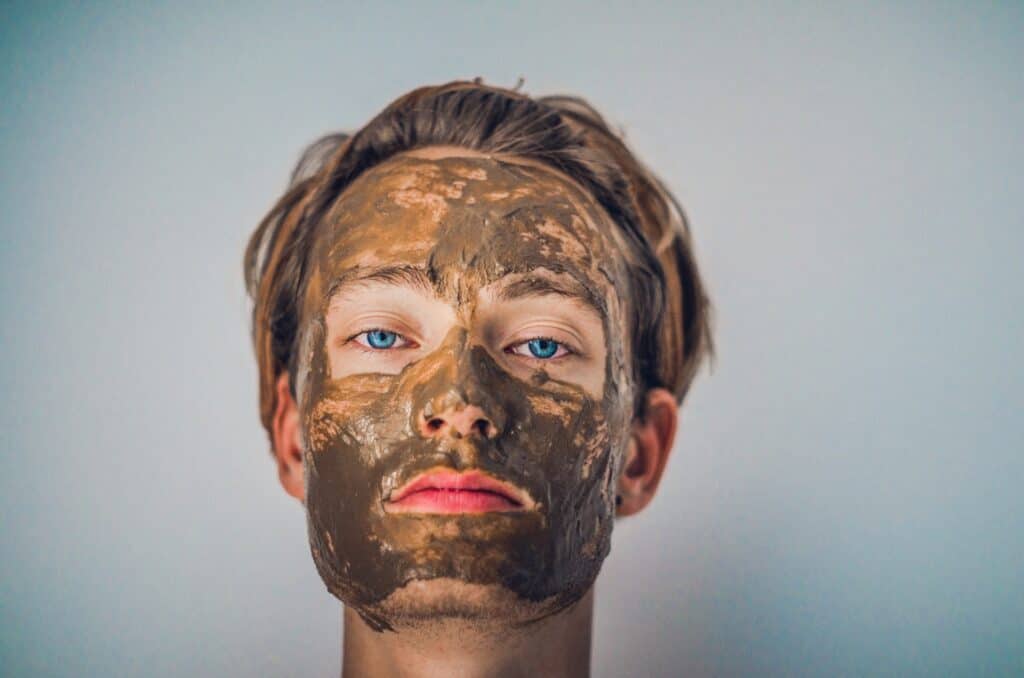
A Dead Sea mud mask is made from mineral rich mud sourced from the Dead Sea, known for its unique composition of magnesium, calcium, potassium, and other essential minerals.
Dead Sea mud has been used for centuries in traditional treatments and modern routines like a Dead Sea facial.
How It Works
Instead of just absorbing impurities, Dead Sea mud:
- Draws out toxins gently
- Infuses skin with minerals
- Supports hydration and skin balance
Best For
- Sensitive skin
- Dry or combination skin
- Skin with redness or irritation
Why It Feels Different
Unlike charcoal, Dead Sea mud doesn’t leave your skin feeling tight or stripped. Instead, it often feels:
- Softer
- Calmer
- More balanced
Key Differences: Dead Sea Mud vs Charcoal
1. Cleansing Power
- Charcoal → Strong oil absorption
- Dead Sea mud → Gentle detox + nourishment
2. Skin Feel After Use
- Charcoal → Clean but sometimes dry
- Dead Sea mud → Clean, soft, and hydrated
3. Skin Benefits
- Charcoal → Focuses on oil control
- Dead Sea mud → Supports overall skin health
4. Long Term Results
- Charcoal → Quick fixes for oil
- Dead Sea mud → Gradual improvement in texture and balance
Many skincare routines combine mineral-based treatments with hydrating ingredients such as marine algae extracts.
Which One Should You Choose?
The answer depends on your skin type but also your long term goals.
Choose Charcoal If:
- You struggle with excess oil
- You want quick pore clearing results
- You use it occasionally (not daily)
Choose Dead Sea Mud If:
- Your skin is sensitive or reactive
- You want hydration + cleansing
- You prefer a more balanced, natural approach
For many people, Dead Sea mud becomes the better long term choice because it doesn’t just remove impurities, it helps your skin function better over time.
Can You Use Both Together?
Yes! This is where things get interesting.
You don’t have to choose one forever. Many skincare routines use both strategically:
- Charcoal mask → once a week for deep pore cleansing
- Dead Sea mud → 1–2 times weekly for maintenance and balance
This combination gives you the best of both worlds without over drying your skin.
Enhancing Your Routine with Gentle Cleansing
Masks work best when combined with the right cleanser. Using a harsh cleanser can cancel out the benefits of your mask, especially if your skin becomes irritated or dry.
A gentle approach is to use products that support hydration while cleansing. For example, marine based formulas like Red Algae Gel Soap offer a balanced cleanse without stripping the skin.
These types of cleansers help:
- Maintain moisture
- Support the skin barrier
- Prepare your skin for masks
👉 You can explore it here: Red Algae Gel Soap
How to Use a Dead Sea Mud Mask (Step by Step)
- Cleanse your skin gently
- Apply a thin, even layer of mud
- Leave on for 10–15 minutes (don’t let it fully crack)
- Rinse with lukewarm water
- Follow with moisturizer
Tip: Always listen to your skin, overuse can reduce benefits.
Common Mistakes to Avoid
Using masks too frequently
Letting masks dry completely and crack
Skipping moisturizer afterward
Combining with overly harsh cleansers
Final Thoughts: It’s Not About Trends, It’s About Balance
Final Thoughts: It’s Not About Trends! It’s About Balance
Charcoal masks had their moment and they’re still useful. But more people are now shifting toward solutions that don’t just clean the skin, but actually support it.
That’s where Dead Sea mud stands out.
It offers a more complete approach: cleansing, nourishing, and balancing, all at once.
If your goal is healthier, calmer, and more resilient skin, it may be time to move beyond harsh detox trends and embrace something more natural and sustainable.
For a complete routine, combining masks with the right products is essential, especially when following a full Dead Sea skincare routine.