Dead Sea salt and Epsom salt are two of the most popular mineral salts used in skincare and wellness routines. Both are commonly recommended for baths, exfoliation, and relaxation, but they are very different in their mineral composition and skin benefits.
In this guide, we compare Dead Sea salt vs Epsom salt for skin, looking at their mineral content, potential skincare benefits, and when each option may be the better choice for your routine.
What Is Dead Sea Salt?
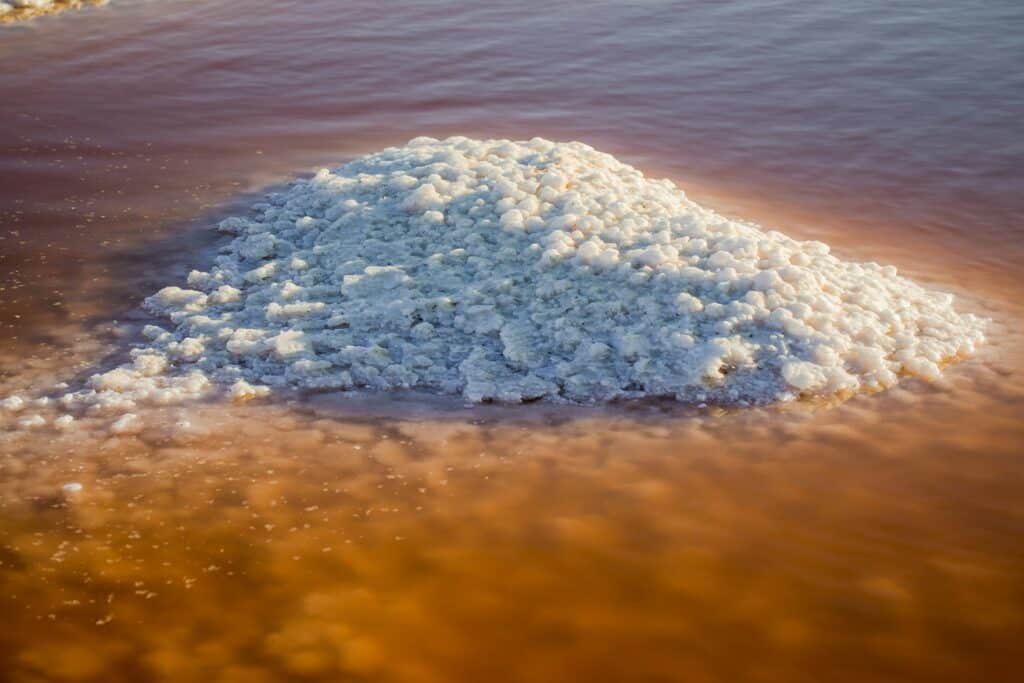
Dead Sea salt is harvested from the Dead Sea, a unique salt lake located between Israel and Jordan. Unlike regular ocean salt, Dead Sea salt contains an unusually high concentration of skin supporting minerals.
These include magnesium, potassium, calcium, bromide, and several trace elements that help support skin hydration and balance. Because of this mineral composition, Dead Sea salt has been widely used in spa treatments and mineral skincare products.
Many people use Dead Sea salt in bath soaks, body scrubs, and spa treatments because the minerals can help maintain skin comfort while gently removing dead skin cells.
Today, Dead Sea salt is commonly found in mineral bath salts, mud masks, scrubs, and other skincare formulations designed to support dry or sensitive skin.
If you’re wondering whether mineral skincare products really work, you can read our full guide here.
What Is Epsom Salt?
Epsom salt is a naturally occurring mineral compound made of magnesium sulfate. Despite the name, it is not actually salt like Dead Sea salt or ocean salt.
Epsom salt dissolves easily in warm water and has long been used in bath soaks for relaxation and muscle comfort. Many people add Epsom salt to baths after exercise or long days to help ease tension.
Unlike Dead Sea salt, Epsom salt contains only magnesium and sulfate rather than a broad spectrum of minerals. This means it may provide relaxation benefits but offers fewer mineral nutrients for the skin.
Because of its affordability and availability, Epsom salt remains a popular ingredient in home bath routines and DIY body treatments.
Dead Sea Salt vs Epsom Salt: Key Differences
Although both salts are commonly used in bath routines, Dead Sea salt and Epsom salt differ significantly in mineral composition and skincare benefits.
| Feature | Dead Sea Salt | Epsom Salt |
|---|---|---|
| Mineral Content | 21+ minerals including magnesium, calcium, and potassium | Magnesium sulfate only |
| Skin Hydration | Supports hydration and skin barrier balance | Limited hydration support |
| Spa Treatments | Widely used in mineral spa therapies | Mostly used for muscle relaxation baths |
| Exfoliation | Can be used in scrubs and mineral masks | Minimal exfoliation use |
| Best Use | Skincare, mineral baths, spa treatments | Muscle relaxation and bath soaks |
Benefits of Dead Sea Salt for Skin
Dead Sea salt has been used in mineral spa treatments for decades because of its unusually rich mineral composition. Unlike regular sea salt, Dead Sea salt contains high levels of magnesium, potassium, calcium, and bromide that can support skin balance.
These minerals interact with the skin during bath soaks and exfoliation treatments, which is why Dead Sea salt is widely used in spa therapy and mineral skincare products.
Some of the most commonly reported benefits include improved skin hydration, gentle exfoliation, and support for the skin’s natural barrier.
- Supports skin hydration – magnesium may help improve moisture retention.
- Gentle exfoliation – salt crystals help remove dead skin cells and smooth rough areas.
- Mineral nourishment – the broad mineral profile provides nutrients not found in regular salt.
- Spa level skin care – Dead Sea salt is widely used in professional spa treatments around the world.
If you want to try mineral rich bath salts yourself, you can explore our guide to the best Dead Sea salt products for skin, where we compare several high quality options for home spa treatments.
Benefits of Epsom Salt for Skin
Epsom salt has been used for centuries in bath soaks and home remedies. Although it does not contain the wide mineral spectrum found in Dead Sea salt, it is still valued for its simplicity and affordability.
Epsom salt is made of magnesium sulfate, which dissolves easily in warm water. Because of this, it is commonly used in bath routines designed to promote relaxation and comfort after physical activity.
Many people use Epsom salt baths as part of their self care routine to help soothe tired muscles and create a relaxing spa experience at home.
Common Uses of Epsom Salt
- Relaxing bath soaks – widely used after physical activity.
- Muscle comfort – many people use Epsom salt baths to help ease tension.
- Simple DIY body treatments – often used in homemade scrubs and bath blends.
- Affordable bath ingredient – available in most stores and easy to use at home.
While Epsom salt is useful for relaxing bath routines, it does not contain the diverse mineral profile that makes Dead Sea salt popular in skincare and spa therapy.
To better understand how these two bath salts compare, it helps to look at when each option may be the better choice for your skincare routine.
Which Is Better for Skin?
Both Dead Sea salt and Epsom salt can be used in bath routines, but they serve slightly different purposes. The better choice depends on what you want to achieve for your skin and overall wellness routine.
Dead Sea salt is generally preferred for skincare because it contains a wide spectrum of minerals that support hydration and skin balance. These minerals are one reason Dead Sea salt is widely used in professional spa treatments and mineral skincare products.
Epsom salt, on the other hand, is most commonly used for relaxation and muscle comfort after physical activity. While it can still be used in baths, it does not offer the same range of skin supporting minerals found in Dead Sea salt.
Comparison Summary
- Best for skin hydration: Dead Sea salt
- Best for mineral skincare treatments: Dead Sea salt
- Best for muscle relaxation baths: Epsom salt
- Best overall for skincare routines: Dead Sea salt
If you want to experience the mineral benefits yourself, you can explore our guide to the best Dead Sea salt products for skin, where we review several high quality bath salts and mineral skincare options.
Nice tip: For skincare routines, many people combine Dead Sea salt baths with moisturizing mineral creams to help maintain skin hydration after exfoliation.
How to Use Dead Sea Salt for Skin
Dead Sea salt can be used in several simple ways to support your skincare routine at home. Because of its mineral content, it is commonly used in bath soaks, exfoliating scrubs, and spa style treatments.
When used properly, Dead Sea salt can help gently remove dead skin cells while allowing the skin to absorb beneficial minerals.
Popular Ways to Use Dead Sea Salt
1. Mineral Bath Soak
Add 1–2 cups of Dead Sea salt to warm bath water and soak for about 15–20 minutes. This is one of the most common ways to experience the relaxing and mineral properties of Dead Sea salt.
2. Gentle Body Scrub
Mix Dead Sea salt with a natural oil such as olive oil or coconut oil to create a simple exfoliating scrub. Massage gently onto damp skin, then rinse thoroughly.
3. Foot Soak
Add half a cup of Dead Sea salt to a basin of warm water and soak your feet for 10–15 minutes. This method is commonly used to soften rough skin and refresh tired feet.
4. Spa Style Skin Treatment
Many people combine Dead Sea salt baths with moisturizing mineral creams or lotions afterward to help maintain hydration.
If you’re looking for high quality options for bath soaks and spa treatments, you can explore our guide to the best Dead Sea salt products for skin where we compare several authentic mineral bath salts.
FAQ: Dead Sea Salt vs Epsom Salt for Skin?
Is Dead Sea salt better than Epsom salt for skin?
Dead Sea salt is often preferred for skincare because it contains a wide range of minerals such as magnesium, calcium, and potassium. These minerals are commonly associated with skin hydration and mineral spa treatments. Epsom salt mainly contains magnesium sulfate and is more often used for relaxing bath soaks.
Can Dead Sea salt help improve skin hydration?
Many people use Dead Sea salt baths to support skin hydration and gentle exfoliation. The mineral content may help maintain the skin’s natural balance when used as part of a regular skincare routine.
How often should you use Dead Sea salt baths?
Most people use Dead Sea salt baths one to three times per week. Overuse of salt scrubs may irritate sensitive skin, so it is best to start gently and observe how your skin responds.
Is Epsom salt good for skin care?
Epsom salt can be used in bath routines and DIY scrubs, but it does not contain the same variety of minerals found in Dead Sea salt. It is most commonly used for relaxation baths rather than mineral skincare treatments.
Can you mix Dead Sea salt and Epsom salt in a bath?
Yes, some people combine both salts in bath soaks. Dead Sea salt provides mineral rich skincare benefits, while Epsom salt is often used for relaxation after physical activity.
Final Thoughts
Both Dead Sea salt and Epsom salt can be useful in bath routines, but they serve slightly different purposes. Dead Sea salt is widely used in skincare and spa treatments because of its diverse mineral composition, while Epsom salt is commonly used for relaxation baths.
If your goal is to support skin hydration and mineral skincare routines, Dead Sea salt is often the preferred choice.
To explore high quality options for bath soaks and mineral treatments, you can see our guide to the best Dead Sea salt products for skin.