Harnessing Nature’s Gift: Psoriasis Demystified Understanding the Root Causes of This Complex Skin Condition
Skin conditions can be confusing, frustrating, and deeply personal. Redness, scaling, itching, or flaking often look similar on the surface, yet the underlying causes can be completely different. That’s why reaching the right diagnosis is so important.
While general physicians can identify many skin concerns, conditions like psoriasis require a deeper understanding. A trained dermatologist doesn’t just look at what’s happening on the surface, they examine how your immune system, genetics, and overall health may be influencing your skin.
In this guide, we take a clear, human centered look at psoriasis: what it is, how it develops, and why understanding its root causes matters for long term skin health.

Image by Hans Braxmeier from Pixabay
What Is Psoriasis? A Clear and Simple Explanation
Psoriasis is a chronic inflammatory skin condition driven by the immune system. Unlike temporary rashes or allergic reactions, psoriasis develops when the body mistakenly speeds up the production of skin cells.
Under normal conditions, skin cells renew themselves roughly every month. In people with psoriasis, this process accelerates dramatically, sometimes taking only a few days. Because the body can’t shed the excess cells quickly enough, they build up on the surface of the skin.
The result is what many people recognize as psoriasis:
-
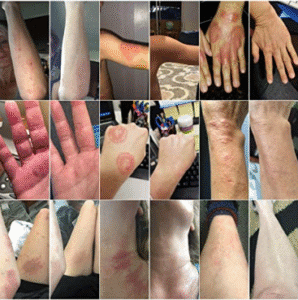
Red, inflamed patches
-
Thickened skin covered with white or silvery scales
-
Dryness, cracking, or bleeding
-
Discomfort ranging from mild itching to significant pain
Psoriasis is not an infection, and it is not contagious. You cannot catch it through touch, contact, or sharing personal items.
Where Psoriasis Commonly Appears on the Body
Psoriasis doesn’t look the same for everyone, and it doesn’t always affect the same areas. However, certain locations are more commonly involved:
-
Elbows and knees
-
Scalp and hairline
-
Lower back
-
Hands and feet
-
Neck and behind the ears
In less common forms, psoriasis may also affect:
-
Fingernails and toenails
-
The mouth
-
Skin folds
-
Joints (a condition known as psoriatic arthritis)
The location and appearance of symptoms often help doctors determine the specific type of psoriasis involved.
Studies showing according to national psoriasis foundation indicate that more than 8 million Americans have psoriasis.
Why Psoriasis Happens: Understanding the Root Causes
Despite decades of research, psoriasis does not have a single, simple cause. Instead, it develops due to a combination of internal factors, primarily involving the immune system and genetics.
1. Immune System Dysregulation
At its core, psoriasis is an autoimmune condition. This means the immune system mistakenly attacks healthy skin cells as if they were harmful invaders.
Special immune cells, known as T-cells, trigger inflammation and send signals that accelerate skin cell production. Instead of protecting the body, this response creates chronic inflammation and visible skin changes.
This immune driven process explains why psoriasis is often linked with other inflammatory conditions in the body.
2. Genetic Predisposition
Genetics play a significant role in psoriasis. Many people who develop the condition have a family history of it.
Having a parent or close relative with psoriasis does not guarantee you will develop it, but it raises the likelihood. Certain genes influence how the immune system behaves, making some individuals more susceptible than others.
This genetic component also explains why psoriasis can appear at different stages of life from childhood to adulthood.
3. Triggers That Can Activate Psoriasis
While genetics and immunity set the stage, external triggers often determine when psoriasis appears or worsens. Common triggers include:
-
Emotional stress
-
Skin injuries or trauma
-
Infections
-
Hormonal changes
-
Cold or dry weather
-
Certain medications
Understanding personal triggers is a key step in managing flare-ups and reducing symptom severity.
Health Conditions Commonly Linked to Psoriasis
Psoriasis is more than a skin deep condition. Research shows that people with psoriasis are more likely to experience other health concerns related to chronic inflammation, including:
-
Psoriatic arthritis
-
Cardiovascular issues
-
Type 2 diabetes
-
Digestive and bowel conditions
-
Metabolic imbalances
This connection reinforces the importance of treating psoriasis as a body condition, not just a cosmetic concern.
Is Psoriasis Contagious? Clearing a Common Myth
One of the most persistent myths about psoriasis is that it can be passed from person to person. This is completely false.
Psoriasis cannot be spread through:
-
Touching affected skin
-
Physical contact
-
Sharing towels or clothing
Understanding this helps reduce stigma and allows those living with psoriasis to feel more confident and supported.
Why Early Diagnosis and Proper Care Matter
Because psoriasis can resemble other skin conditions such as eczema or fungal infections, self diagnosis often leads to frustration and ineffective treatment.
A proper diagnosis allows for:
-
Accurate identification of psoriasis type
-
Better symptom management
-
Reduced flare up frequency
-
Protection against long term complications
Early care also helps individuals explore supportive approaches, including lifestyle changes and nature inspired skin treatments that complement medical guidance.
A Final Thought: Understanding Psoriasis Is Empowering
Psoriasis may be complex, but knowledge brings clarity. Understanding its autoimmune nature, genetic roots, and triggers allows individuals to take an active role in their skin health journey.
With the right care, informed choices, and consistent support, living with psoriasis becomes manageable and far less limiting.
Skin tells a story. When we learn to listen, we can respond with understanding, patience, and effective care.
Related content:
Eczema vs Psoriasis: Key Differences and Treatment Options
5 Dead Sea Psoriasis Treatment Resorts In Israel That Can Help You
Dead Sea Treatments for Psoriasis: Our Top 5 Recommendations for Soothing Skin
Psoriasis and Arthritis: How They’re Connected and What You Need to Know