
Why Sulfur Deserves More Attention in Modern Skincare
Walk through any skincare aisle today and you’ll see products highlighting ingredients like hyaluronic acid, niacinamide, retinol, peptides, and vitamin C. These ingredients certainly deserve their popularity, but one of the most effective skincare ingredients remains surprisingly overlooked: sulfur.
For centuries, sulfur rich springs, mineral baths, and natural sulfur treatments have been used to support healthier looking skin. Long before modern skincare brands existed, people traveled great distances to soak in mineral rich waters known for their skin soothing properties. Even today, sulfur continues to appear in dermatologist recommended products designed for oily skin, blemishes, and various skin concerns.
What makes sulfur unique is its versatility. Unlike many skincare ingredients that target a single concern, sulfur can help manage excess oil, support skin renewal, improve the appearance of blemishes, and contribute to a healthier skin environment. It works quietly in the background, helping the skin restore balance rather than forcing dramatic changes.
For people struggling with oily skin, recurring breakouts, congested pores, or chronic skin irritation, sulfur may be one of the most underrated ingredients available.
In this complete guide, you’ll learn exactly what sulfur is, how it works, its benefits, potential drawbacks, and why sulfur based skincare products continue to attract attention from skincare professionals around the world.
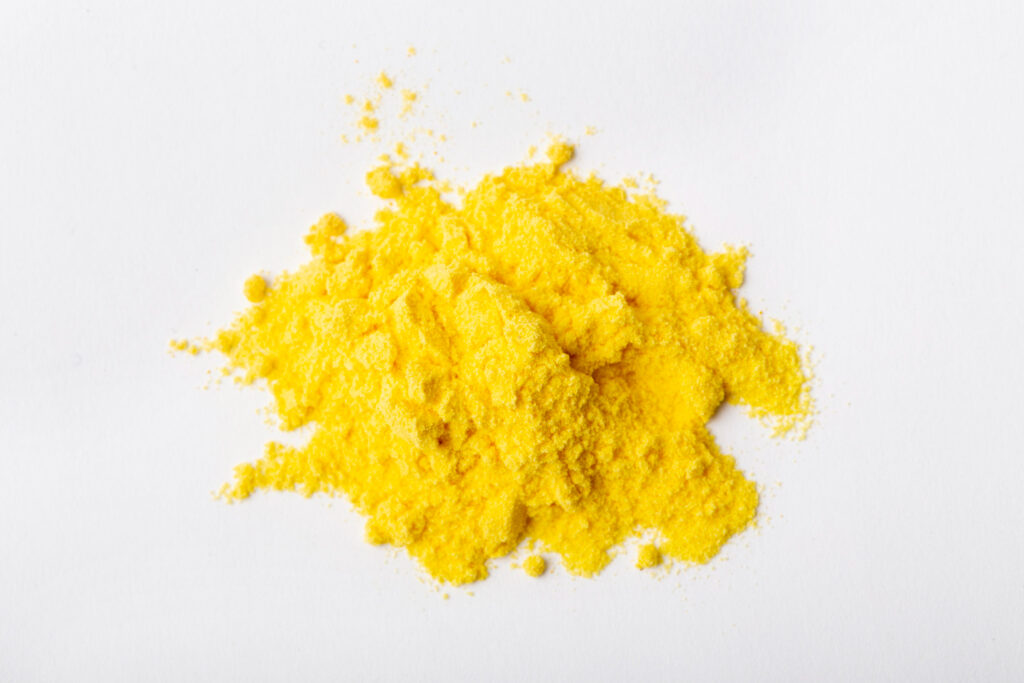
What Is Sulfur?
Sulfur is a naturally occurring mineral found throughout nature.
It exists in:
- Soil
- Volcanic regions
- Natural hot springs
- Oceans
- Plants
- Foods
- The human body
In fact, sulfur is one of the most abundant minerals found in the body. It plays a critical role in forming proteins, enzymes, connective tissues, cartilage, hair, nails, and skin.
Without sulfur, many of the body’s most important biological processes would struggle to function properly.
Because sulfur participates in the production of keratin and collagen, it has long been associated with healthy skin structure and appearance.
Why Sulfur Is Important for Healthy Skin
Healthy skin depends on several key factors working together:
- Balanced oil production
- Efficient cell turnover
- Strong barrier function
- Proper hydration
- Controlled inflammation
- Healthy microbiome balance
When one or more of these processes become disrupted, skin problems often follow.
This is where sulfur becomes particularly interesting.
Sulfur supports several of these functions simultaneously.
Rather than simply masking symptoms, sulfur helps promote an environment where skin can function more effectively.
Many skincare experts view sulfur as a balancing ingredient because it can help manage excess oil while supporting natural skin renewal.
How Sulfur Works on the Skin
Sulfur’s effectiveness comes from three primary actions.
1. Keratolytic Action
Sulfur helps loosen and remove excess dead skin cells.
This process encourages smoother skin texture and helps prevent clogged pores.
2. Oil Reducing Properties
Sulfur can absorb and reduce excess oil on the skin surface.
For individuals with oily skin, this helps reduce shine and congestion.
3. Skin Purifying Effects
Sulfur creates an environment that may help reduce the buildup of unwanted microorganisms commonly associated with blemish prone skin.
Together, these actions make sulfur especially useful for people who experience recurring skin congestion.
Sulfur for Acne: Why Dermatologists Still Recommend It
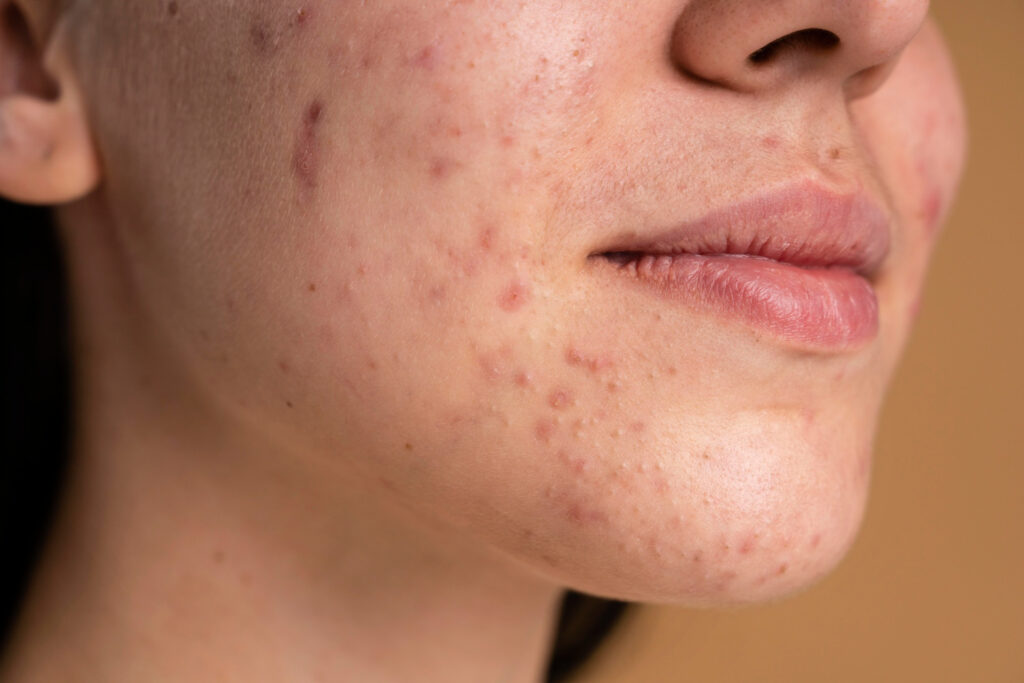
One of sulfur’s most well known uses is helping manage acne prone skin.
Acne often develops due to a combination of:
- Excess oil production
- Dead skin cell accumulation
- Pore blockage
- Inflammation
Sulfur addresses several of these factors at once.
Unlike some stronger acne treatments that can cause significant dryness or irritation, sulfur tends to work more gently.
Many people find sulfur especially helpful for:
- Whiteheads
- Blackheads
- Occasional breakouts
- Oily skin
- Congested pores
Sulfur is frequently combined with ingredients such as salicylic acid for enhanced results.
Sulfur for Psoriasis
People searching for natural ways to support psoriasis prone skin often encounter sulfur based products.
Although sulfur is not a cure for psoriasis, many users appreciate its ability to help soften rough patches and support healthier looking skin.
When combined with moisturizing ingredients and mineral rich formulations, sulfur may help improve comfort and skin texture.
Many sulfur products used for psoriasis also contain:
- Olive oil
- Aloe vera
- Dead Sea minerals
- Botanical extracts
These ingredients help balance sulfur’s cleansing effects with additional hydration.
Sulfur for Eczema
Eczema prone skin requires special care.
The goal is not aggressive cleansing but maintaining the skin barrier while minimizing irritation.
Some individuals find sulfur based cleansers helpful because they cleanse effectively without relying on overly harsh detergents.
However, sulfur products should always be selected carefully for sensitive skin.
Look for formulas containing soothing ingredients and avoid products with excessive fragrances.
Sulfur for Rosacea
Rosacea can cause visible redness, flushing, and skin sensitivity.
Certain sulfur formulations are commonly used in skincare routines designed for rosacea prone skin because sulfur helps support cleaner pores while remaining relatively gentle compared to stronger exfoliating acids.
Consistency and gentle use are important when introducing sulfur into a rosacea routine.
Sulfur Soap: One of the Most Effective Ways to Use Sulfur
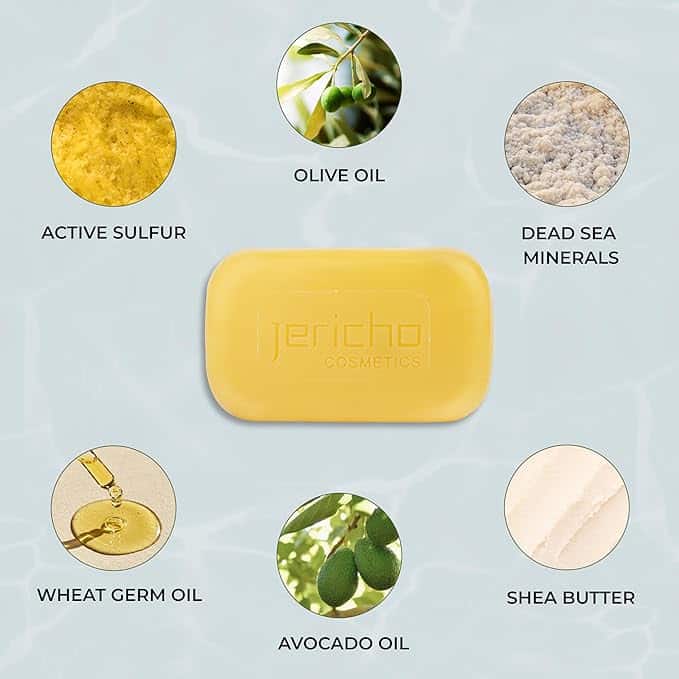
Among all sulfur products, sulfur soap remains one of the most popular.
Its popularity comes from simplicity.
A sulfur soap can be used daily and easily incorporated into existing routines.
Benefits include:
- Convenient application
- Face and body use
- Oil control
- Cleaner looking pores
- Improved skin texture
Modern sulfur soaps often combine sulfur with moisturizing ingredients such as olive oil to improve user comfort and reduce dryness.
Dead Sea Sulfur: What Makes It Different?
Not all sulfur skincare products are created equal.
The Dead Sea region is famous for its exceptional concentration of minerals.
These minerals include:
- Magnesium
- Potassium
- Calcium
- Sodium
- Bromide
When sulfur is combined with Dead Sea minerals, the resulting product provides more than simple cleansing.
The minerals help support hydration, skin comfort, and overall skin balance.
This combination explains why Dead Sea sulfur soaps continue to attract consumers worldwide.
Many users report that Dead Sea sulfur products leave their skin feeling cleaner without the excessive tightness often associated with traditional sulfur treatments.
Sulfur vs Salicylic Acid
| Sulfur | Salicylic Acid |
|---|---|
| Mineral based ingredient | Beta hydroxy acid |
| Helps absorb oil | Exfoliates inside pores |
| Generally gentle | Can be stronger |
| Supports skin balance | Focuses heavily on exfoliation |
| Useful for sensitive oily skin | Useful for stubborn congestion |
Neither ingredient is universally better.
The right choice depends on individual skin needs.
Sulfur vs Benzoyl Peroxide
| Sulfur | Benzoyl Peroxide |
|---|---|
| Gentler option | Stronger acne treatment |
| Less drying for many users | Higher irritation potential |
| Suitable for regular use | May require gradual introduction |
| Supports oil balance | Targets acne-causing bacteria |
Many people choose sulfur when they want a more balanced daily approach.
How to Choose the Best Sulfur Product
When selecting a sulfur product, look for supportive ingredients such as:
- Dead Sea minerals
- Olive oil
- Aloe vera
- Chamomile
- Shea butter
- Plant oils
Avoid selecting a product based solely on sulfur percentage.
The complete formulation matters far more than a single ingredient.
Frequently Asked Questions About Sulfur
Is sulfur good for acne?
Many people find sulfur helpful because it supports oil control and cleaner pores.
Can sulfur dry out skin?
It can, especially when overused. Products containing moisturizing ingredients help minimize dryness.
Is sulfur safe for sensitive skin?
Many sulfur products are suitable for sensitive skin, but patch testing is always recommended.
Can sulfur help oily skin?
Yes. Sulfur is particularly known for helping manage excess oil.
What is the best sulfur soap?
The best sulfur soap combines sulfur with moisturizing ingredients and a balanced cleansing system rather than relying on sulfur alone.
Final Thoughts
Sulfur has survived centuries of skincare trends for one simple reason: it works.
While newer ingredients often dominate marketing campaigns, sulfur continues to earn respect from dermatologists, skincare professionals, and consumers who value results over hype.
Whether your goal is managing oily skin, improving the appearance of blemishes, supporting psoriasis prone skin, or simply maintaining a healthier complexion, sulfur remains one of nature’s most versatile skincare minerals.
Combined with Dead Sea minerals and nourishing ingredients such as olive oil, sulfur becomes even more effective, offering a balanced approach to healthier looking skin that has stood the test of time.
If you want to try mineral based treatments, you can explore our guide to the best Dead Sea salt products for skin, where we compare several options suitable for different skin types.