
Dead Sea salt is often used in skincare routines for its mineral composition, but can it actually help with acne? Many people turn to natural remedies to manage breakouts, and Dead Sea salt is frequently mentioned as a potential solution.
In this guide, we explore whether Dead Sea salt for acne really works, how it may benefit acne prone skin, and how to use it safely as part of your skincare routine.
What Is Dead Sea Salt?
Dead Sea salt is harvested from the Dead Sea and is known for its high concentration of minerals such as magnesium, calcium, potassium, and bromide. Unlike regular sea salt, it contains a broader range of minerals that are commonly used in spa treatments and mineral skincare.
These minerals are often associated with supporting skin balance, cleansing, and overall skin comfort, which is why Dead Sea salt is used in products designed for different skin concerns, including acne prone skin.
Does Dead Sea Salt Help with Acne?
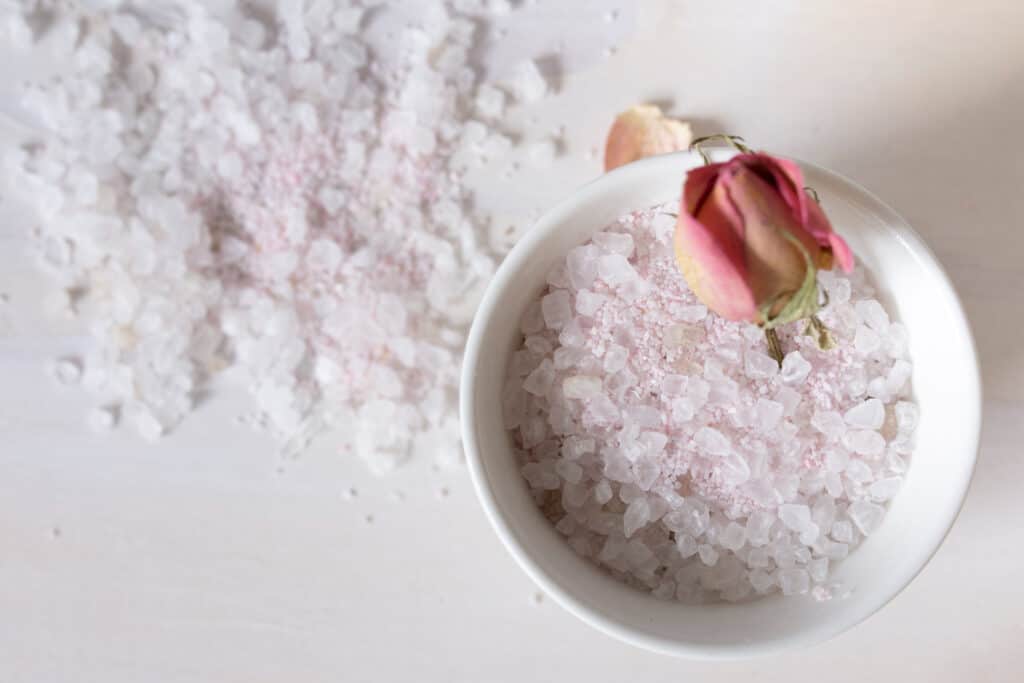
Dead Sea salt may help support acne prone skin, but it is not a cure for acne. Its potential benefits come from its ability to cleanse the skin, absorb excess oil, and provide minerals that may support the skin’s natural balance.
Because clogged pores and excess oil are common factors in acne, treatments that help keep the skin clean and balanced can be useful as part of a broader skincare routine.
However, results can vary depending on skin type, severity of acne, and how the salt is used.
Benefits of Dead Sea Salt for Acne
Dead Sea salt is often included in skincare routines for acne skin because of its mineral content and cleansing properties. While it is not a medical treatment for acne, it may support clearer skin when used correctly.
Key Benefits for Acne Skin
- Helps remove excess oil – Dead Sea salt can help absorb oil from the skin, which is often linked to breakouts.
- Supports pore cleansing – its exfoliating texture helps remove dead skin cells that may clog pores.
- Mineral support – minerals like magnesium may help maintain skin balance.
- Gentle exfoliation – can help smooth the skin and reduce buildup that contributes to acne.
- Spa style cleansing – often used in treatments designed to refresh and clarify the skin.
Because acne is often influenced by oil production, clogged pores, and skin imbalance, simple treatments that help cleanse and maintain the skin barrier can be useful additions to a skincare routine.
If you want to try mineral based treatments, you can explore our guide to the best Dead Sea salt products for skin, where we compare several options suitable for different skin types.
How to Use Dead Sea Salt for Acne
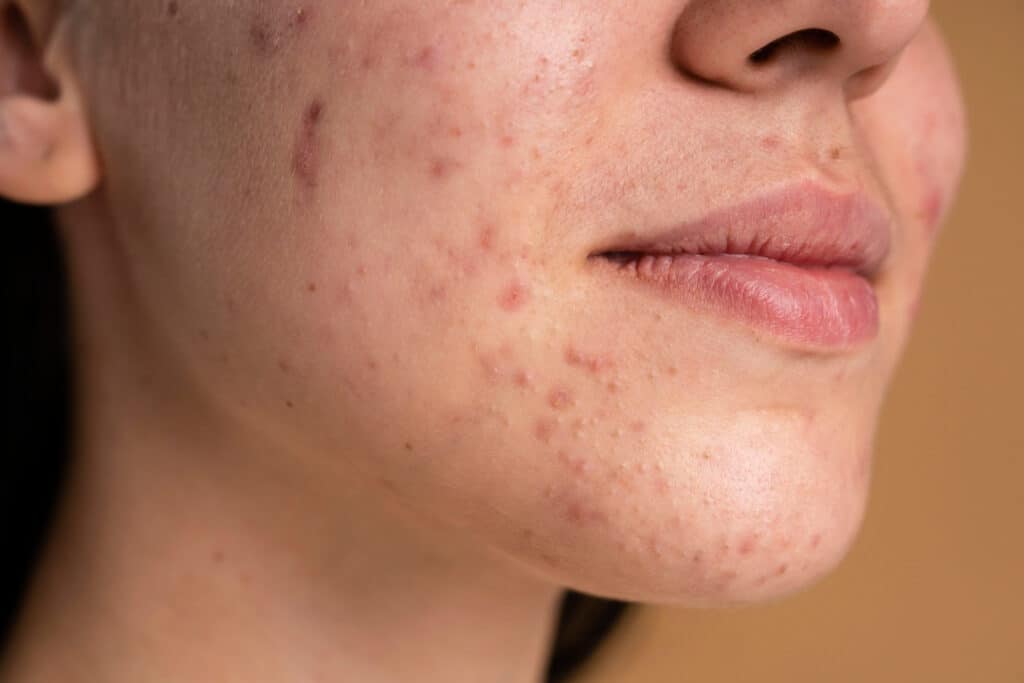
Dead Sea salt can be used in different ways as part of an acne friendly skincare routine. The key is to use it gently and avoid over exfoliation, which can irritate the skin and make worse breakouts.
Simple Ways to Use It
1. Dead Sea Salt Face Soak
Dissolve a small amount of Dead Sea salt in warm water and gently splash onto the skin. This can be used as a simple mineral rinse.
2. Gentle Salt Scrub
Mix fine Dead Sea salt with a lightweight oil such as jojoba oil. Apply gently to damp skin and rinse off without scrubbing too hard.
3. Bath Soak for Body Acne
Add 1–2 cups of Dead Sea salt to a warm bath and soak for 15–20 minutes. This is often used for back and body acne.
4. Spot Treatment (Diluted)
Some people apply a diluted salt solution to specific areas, but this should be done carefully to avoid irritation.
How Often Should You Use It?
For acne prone skin, it is usually best to use Dead Sea salt treatments one to two times per week. Overuse may dry out the skin and trigger more oil production.
Good Tip: Always follow with a gentle, non comedogenic moisturizer to help maintain the skin barrier after using any exfoliating treatment.
If you are building a full routine, you may also want to understand how different mineral salts compare. See our guide on Dead Sea salt vs Epsom salt for skin for a full comparison.

Risks and Side Effects of Using Dead Sea Salt for Acne
While Dead Sea salt can be helpful in some skincare routines, it is not suitable for everyone. Using it incorrectly or too frequently may lead to irritation, especially for sensitive or already inflamed skin.
Possible Side Effects
- Dryness – overuse can strip natural oils and lead to increased dryness.
- Skin irritation – acne prone skin may become more sensitive if scrubbed too aggressively.
- Increased redness – inflamed acne may react to exfoliation or salt exposure.
- Tight or uncomfortable feeling – common if the skin becomes dehydrated.
How to Use It Safely
To reduce the risk of irritation, use Dead Sea salt treatments in moderation and avoid applying them directly to broken or highly inflamed skin. Always follow with a gentle moisturizer and avoid combining with strong active ingredients on the same day.
For some people, Dead Sea salt can be a useful addition to their routine, but it works best when combined with other supportive skincare practices.
Who Should Use Dead Sea Salt for Acne?
Dead Sea salt can be useful for certain skin types, especially when acne is linked to excess oil or clogged pores. However, it may not be suitable for everyone depending on skin sensitivity and acne severity.
Best for These Skin Types
Oily Skin
Dead Sea salt may help absorb excess oil and support a cleaner skin surface, which can be helpful for oily skin types.
Combination Skin
It can be used occasionally to target oily areas without affecting the entire face.
Mild Acne
People with mild breakouts may benefit from gentle exfoliation and cleansing properties.
Body Acne
Dead Sea salt baths are commonly used for acne on the back, shoulders, and chest.
Use with Caution If You Have:
- Sensitive skin – may react to salt exfoliation
- Severe or inflamed acne – can worsen irritation
- Dry skin – may increase dryness if overused
If you have sensitive or reactive skin, you can explore our guide to the best Dead Sea skincare for sensitive skin for gentle options.
To get the best results, Dead Sea salt should be used as part of a balanced skincare routine rather than a standalone solution.
FAQ: Dead Sea Salt for Acne
Does Dead Sea salt really help acne?
Dead Sea salt may help support acne skin by reducing excess oil and helping keep pores clean. However, it is not a medical treatment, and results can vary depending on skin type and routine.
Is it safe to use Dead Sea salt on your face?
Yes, but it should be used gently and not too frequently. Over exfoliation may irritate the skin, especially for those with sensitive or inflamed acne.
How often should I use Dead Sea salt for acne?
Most people use Dead Sea salt treatments one to two times per week. Using it too often may dry out the skin and lead to irritation.
Can Dead Sea salt make acne worse?
If used too aggressively or on sensitive skin, Dead Sea salt may cause irritation or dryness, which can make acne appear worse. Proper use is important.
Is Dead Sea salt better than Epsom salt for acne?
Dead Sea salt contains a wider range of minerals, while Epsom salt mainly provides magnesium sulfate. This makes Dead Sea salt more commonly used in skincare routines.
Final Thoughts
Dead Sea salt can be a helpful addition to an acne focused skincare routine when used correctly and in moderation. Its ability to cleanse, exfoliate, and support skin balance makes it a popular option for people looking for natural skincare approaches.
However, it works best as part of a complete routine that includes gentle cleansing and proper hydration.
If you want to explore mineral based products, you can check our guide to the best Dead Sea salt products for skin to find options that suit different skin types and needs.


